
Debunking popular gambling myths What you need to know
The Gambler’s Fallacy
The gambler’s fallacy is a prevalent myth in the gambling community that can lead to poor decision-making. This belief suggests that past events affect the probabilities of future outcomes. For instance, if a roulette wheel has landed on red several times in a row, a player might believe that black is “due” to appear. This misconception can create an illusion of control over inherently random events, which can be detrimental for beginners. By visiting https://casoola-irlandia.com/, players can find valuable resources to help them understand these statistical truths.
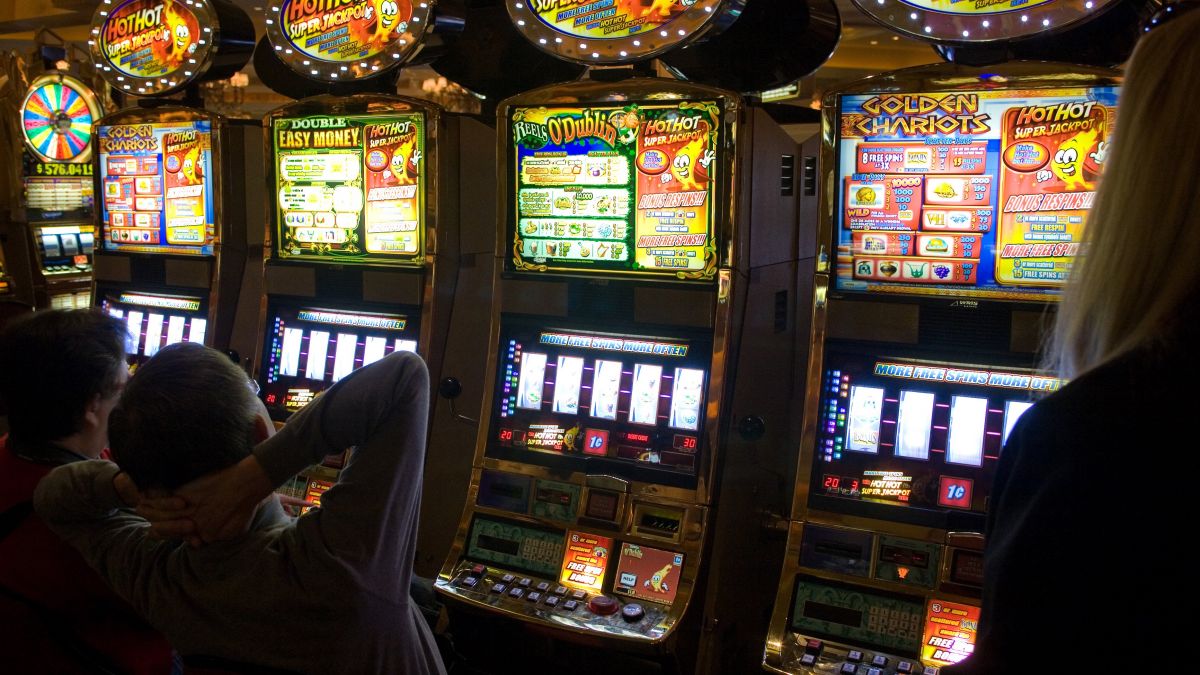
This fallacy stems from our natural tendency to find patterns in randomness. When engaging in games of chance, the outcomes are statistically independent. Each spin of the wheel or flip of the card does not influence the next. Understanding this concept is crucial for anyone looking to engage in gambling responsibly, as it helps clarify the nature of luck versus skill.
New gamblers should approach their betting with an awareness of this fallacy. Instead of relying on flawed reasoning, they should develop a strategy grounded in probability and statistics. This shift in mindset can lead to more informed decisions and, ultimately, a more enjoyable gambling experience.
The Myth of Hot and Cold Streaks
Another common myth in gambling is the idea of hot and cold streaks. Many players believe that certain machines or games can enter a “hot” phase where wins are frequent, or a “cold” phase where losses pile up. This belief can lead players to pursue specific games or machines based on their perceived performance, which can be misleading and detrimental to their bankroll.
This myth is often perpetuated by anecdotal evidence and personal experiences. However, every game, whether it be slots, poker, or blackjack, operates on random number generators or fixed probabilities. Consequently, each play is independent of the previous one. New gamblers should be cautious of this mindset, focusing instead on understanding the house edge and strategies that can optimize their gameplay.
Recognizing that games don’t experience streaks in the way players believe can prevent emotional betting decisions. When beginners understand that they can’t predict when wins or losses will occur, they can manage their expectations better. This rational approach to gambling can lead to a more sustainable and enjoyable experience in the long run.
The Illusion of Skill in Games of Chance
Many newcomers to gambling are misled by the belief that skill can significantly influence the outcome of games of chance. While games like poker and blackjack do involve elements of skill, many other casino games, such as slots and roulette, are purely based on chance. Beginners often misinterpret the role of skill, leading them to make uninformed bets and ultimately lose money.
This illusion of skill can be particularly deceptive when players are on a winning streak. They might attribute their success to skill rather than luck. This can result in overconfidence, prompting further risky bets. It’s vital for new gamblers to understand the distinction between games where strategy can play a role and those that are purely luck-based.
A deeper understanding of game mechanics can aid players in making better decisions. For instance, even though a strategic approach can enhance the experience in games like poker, it’s essential to recognize that many outcomes are dictated by chance. Acknowledging this will help beginners maintain a balanced perspective and engage in gambling responsibly.
A fundamental concept in gambling is the house edge, which refers to the mathematical advantage that casinos have over players. Many newcomers underestimate this aspect, believing that their skill or luck can overcome the house’s built-in advantage. This misunderstanding can lead to unrealistic expectations and financial losses, especially for beginners who are just starting to navigate the world of gambling.
The house edge varies significantly from game to game. For example, slot machines often have a much higher house edge compared to games like blackjack or baccarat, where players can employ strategies to lower the casino’s advantage. Understanding this concept helps players make informed choices about where to place their bets and how much they should wager.
New gamblers should approach their experience with a clear understanding of the odds involved. Familiarizing oneself with the house edge and its implications can greatly improve one’s overall gambling experience. By setting realistic expectations based on these odds, players can engage in gambling as a form of entertainment, rather than a guaranteed way to make money.

Our Commitment to Responsible Gambling
At our website, we prioritize educating players about the realities of gambling, including common myths and misconceptions. Our goal is to foster a safe and informed gambling environment for all users. We provide comprehensive resources to help beginners navigate the complexities of gambling while promoting responsible behavior.
We believe that understanding the true nature of gambling can significantly enhance a player’s experience. By debunking popular myths, we aim to equip newcomers with the knowledge they need to make better decisions. Our commitment to responsible gambling extends beyond providing information; we also offer support and tools to help players manage their gambling habits effectively.
Ultimately, our mission is to create a community where players can enjoy gambling responsibly. By encouraging informed decisions and promoting awareness of gambling myths, we hope to contribute to a safer and more enjoyable environment for everyone involved in gaming activities.
“`